
Managed OpenSearch & Prometheus

Priced by the node. Not the gigabyte.

Managed OpenSearch and Prometheus on dedicated bare metal in Europe. Ingest what you like, query it as often as you want, add seats freely. The bill is the node rate times the node count, and nothing else.

Ten days, one Basic cluster, no card required.

Infrastructure
Dedicated bare metal
Data residency
Europe
Privacy
GDPR compliant
Controls
Built to SOC 2
Uptime SLA
99.9%
AI agents
No plugin needed

Two services, one platform

Logs in one, metrics in the other.

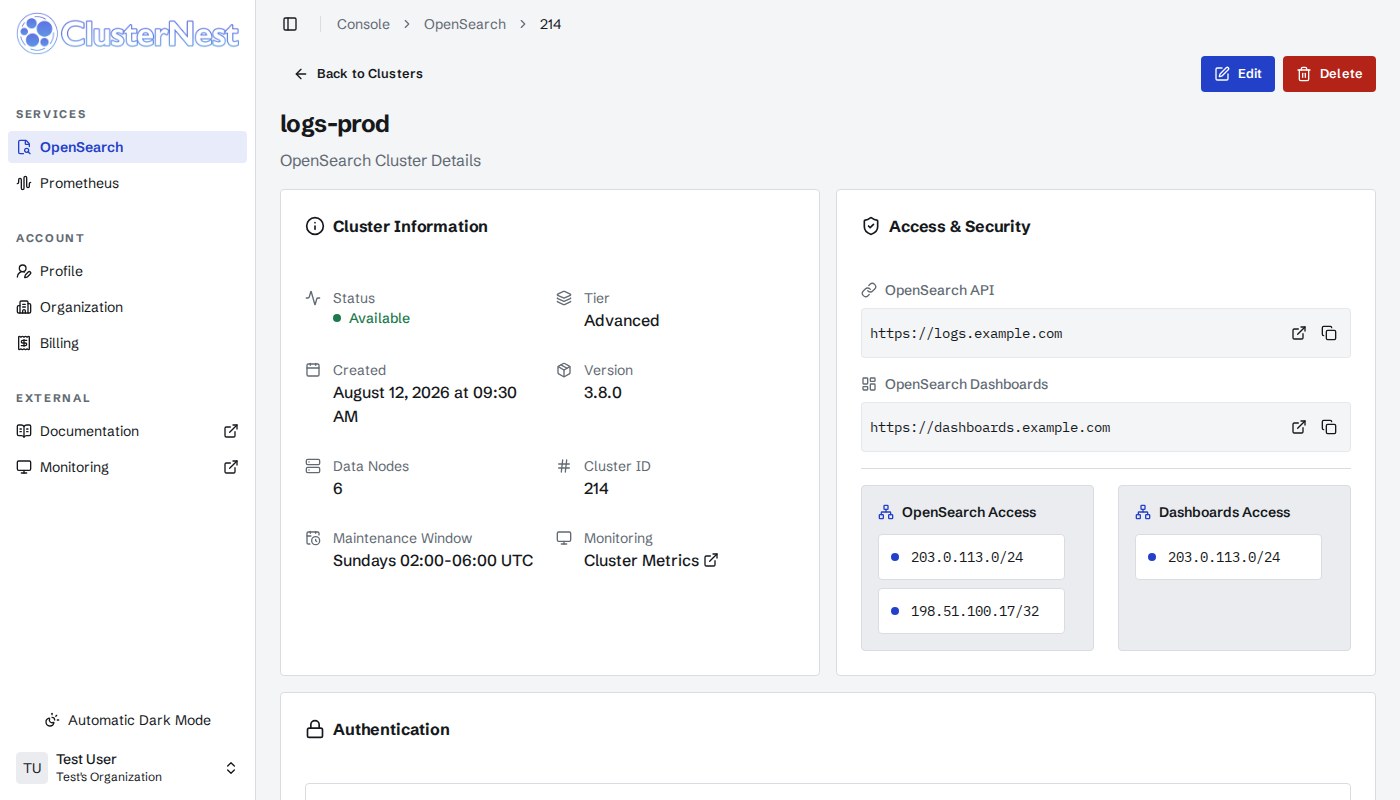
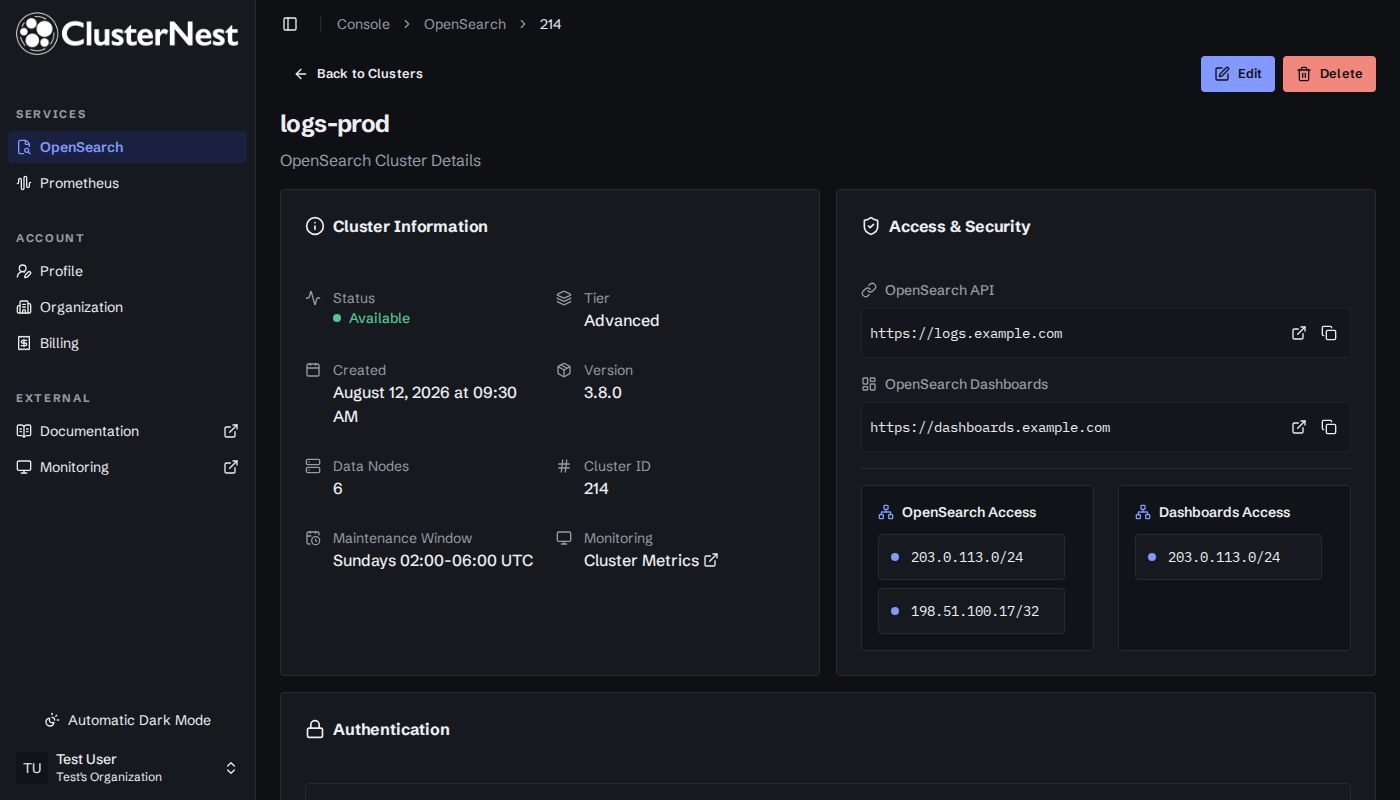
Managed OpenSearch

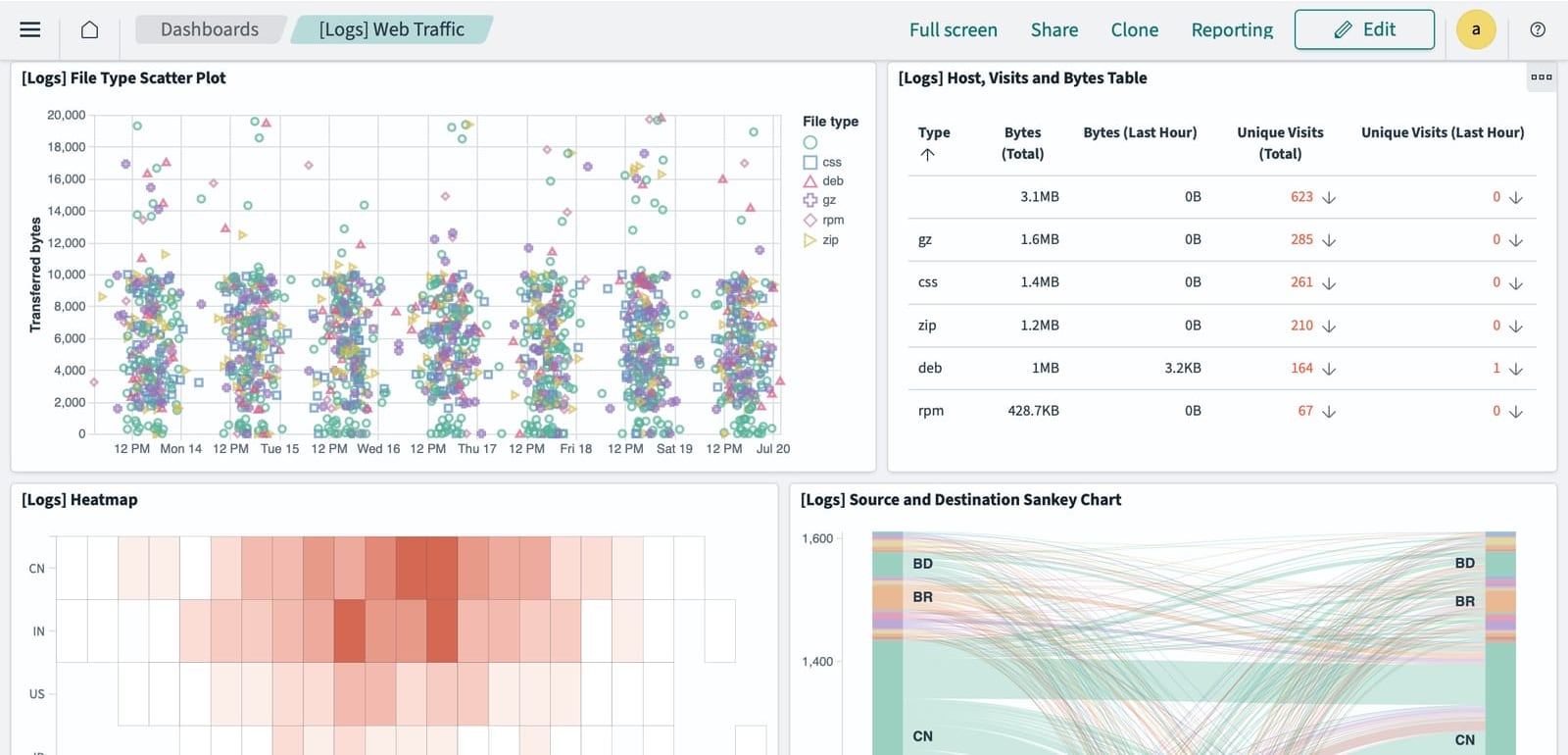
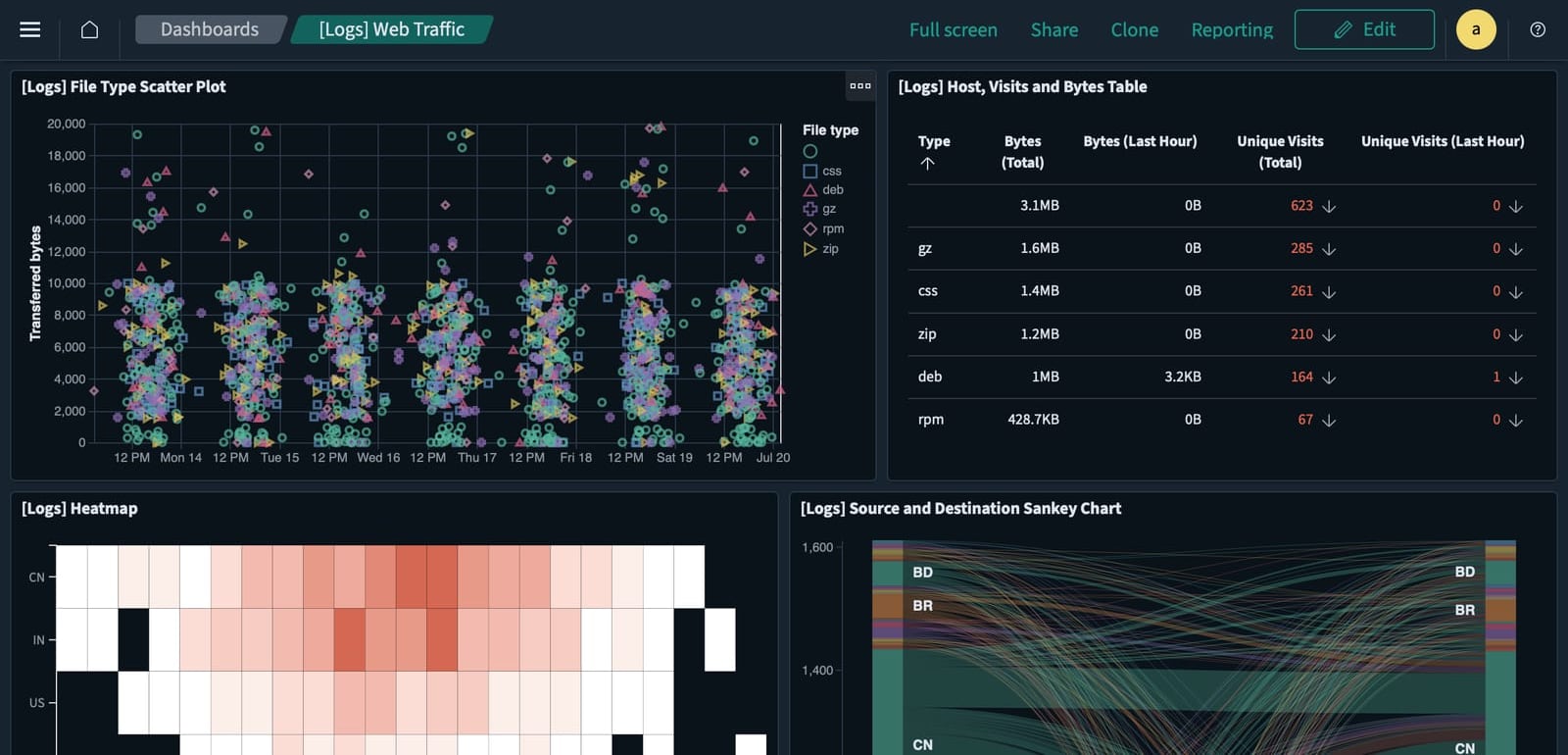
Search, logging and analytics with Dashboards included. Eight versions supported, from 3.0 through 3.8, with in-place upgrades on your schedule rather than ours.

  • Single sign-on by OIDC or SAML
  • S3 snapshot repositories for backups
  • Custom hostnames and per-endpoint IP allowlists
  • Two to ten data nodes
Managed OpenSearch

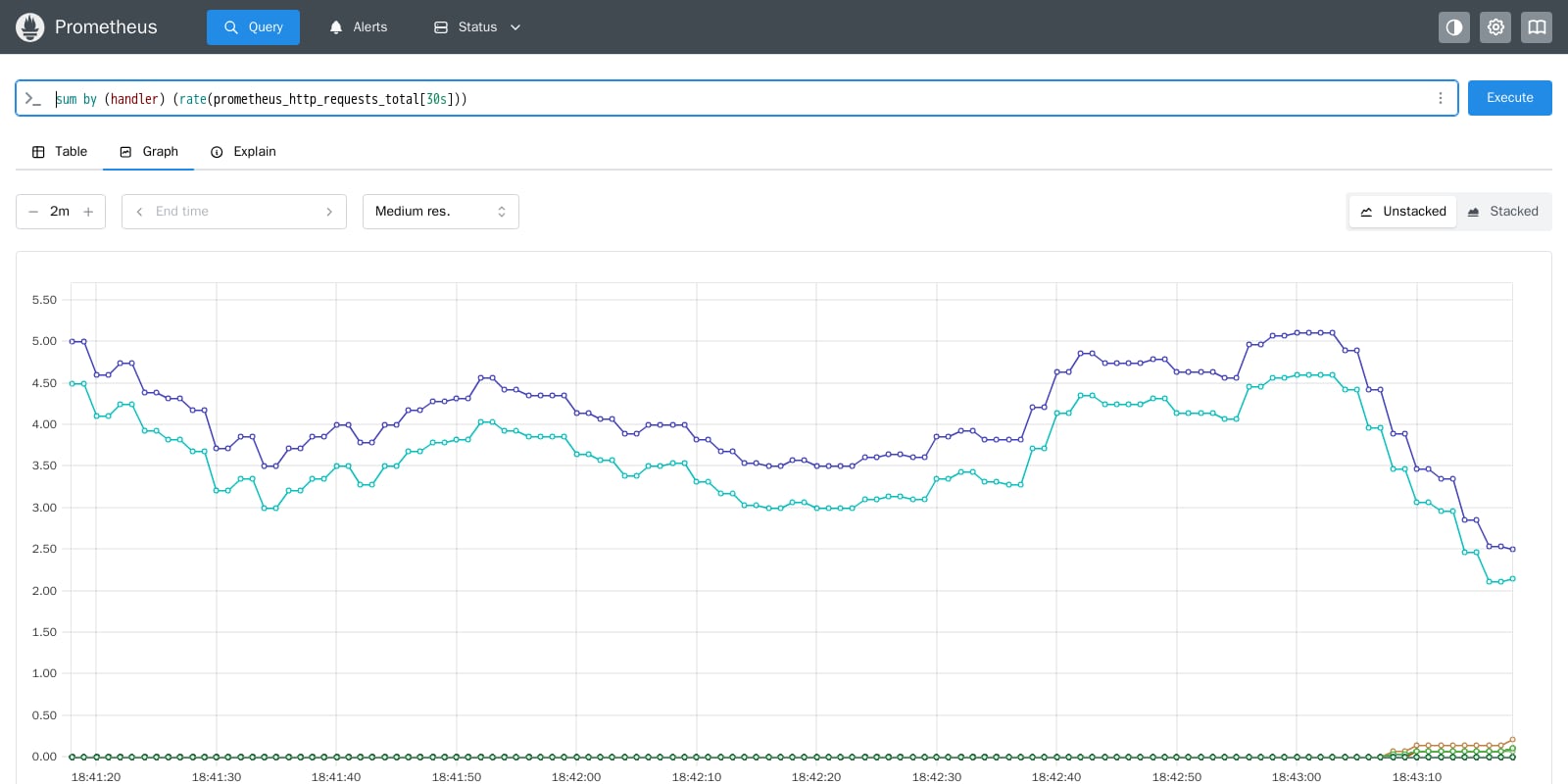
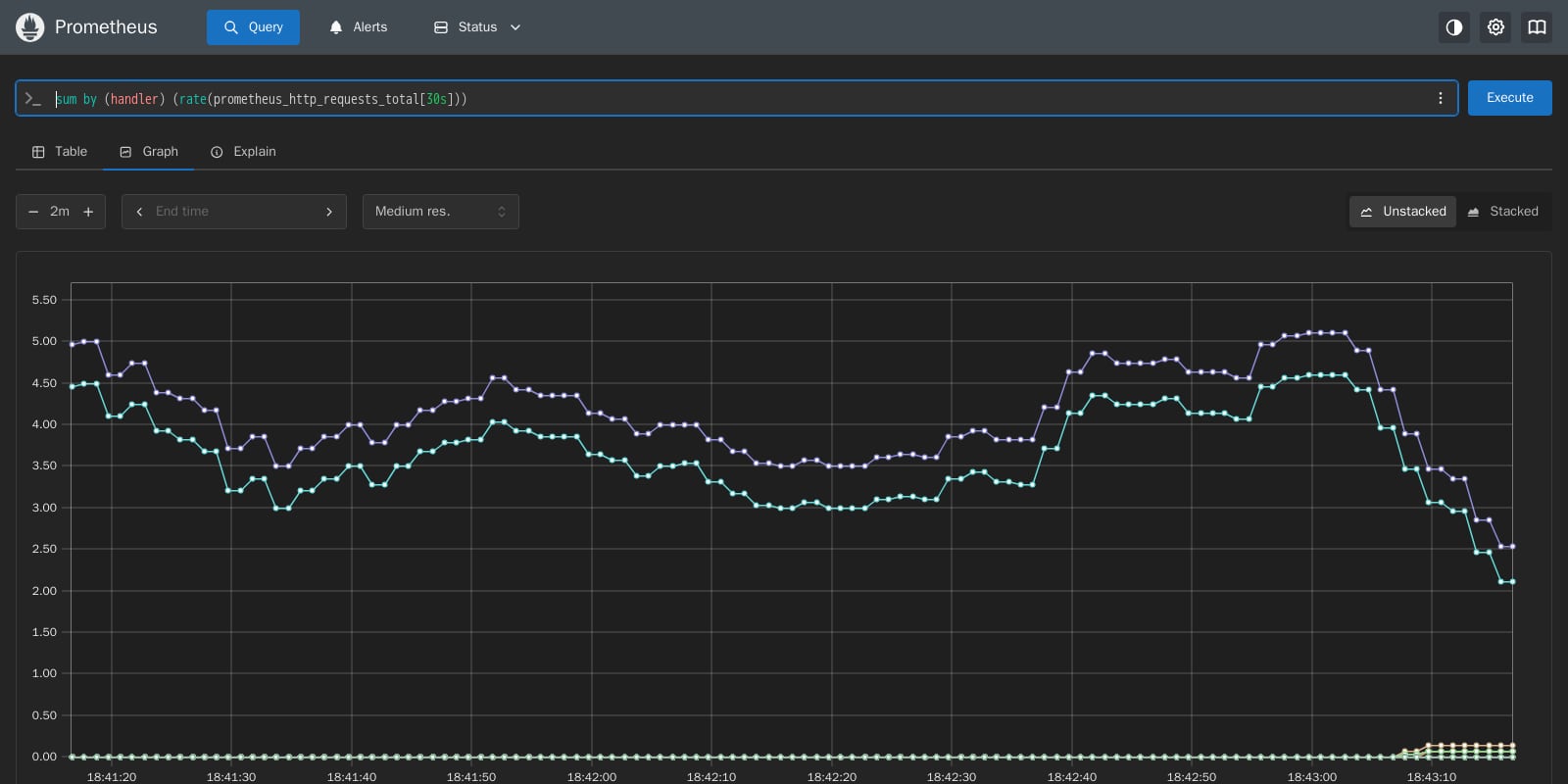
Managed Prometheus

A Prometheus-compatible endpoint you can point remote_write at in one line. Full PromQL, and your existing Grafana dashboards keep working.

  • Retention you set, 90 days by default
  • Separate admin and read-only credentials
  • Custom hostname and IP allowlist
  • Two to ten storage nodes
Managed Prometheus

What production costs

$199.98 / month

Two Standard nodes at 4 vCPU and 32 GiB each, a terabyte of storage across the cluster. Coordinator nodes and Dashboards included. That's the whole bill.

Full pricing

Never on your invoice

  • Coordinator nodes
  • OpenSearch Dashboards
  • Ingest volume
  • Network egress
  • Queries and API calls
  • User seats
  • Support

Three ways in

Click it, declare it, or call it.

The console is the fastest way to a running cluster. Everything it does, the Terraform provider and the REST API do too: same organizations, same clusters, same credentials. Nothing is console-only.

  1. 01 Sign up and verify your email.
  2. 02 Choose a version and a tier.
  3. 03 Launch, and save the credentials.
  4. 04 Point your shippers at the endpoint.
main.tf Terraform
resource "clusternest_opensearch" "logs" {
  name            = "production-logs"
  organization_id = data.clusternest_organization.main.id
  tier            = "standard"
  version         = "3.7.0"

  opensearch_whitelist = ["203.0.113.0/24"]
}
Watch the console do it youtube.com
POST /cluster/opensearch/ REST API
curl -X POST \
  https://api.clusternest.com/cluster/opensearch/ \
  -H "Authorization: Bearer $CLUSTERNEST_TOKEN" \
  -H "Content-Type: application/json" \
  -d '{
    "name": "production-logs",
    "organization_id": 42,
    "tier": "standard",
    "version": "3.7.0",
    "opensearch_whitelist": ["203.0.113.0/24"]
  }'

Works with your agents

Your coding agent can run this today.

Ask in plain language and the agent writes the query. PromQL, OpenSearch DSL, PPL and SQL have been public and documented for years, so it gets them right without examples from you. The control plane is the same: a public OpenAPI spec and a Terraform provider. Nothing to install, no bridge to run, no integration to wait for.

  • Writes PromQL, DSL, PPL and SQL with no examples from you
  • Reads every endpoint from a public OpenAPI spec
  • Plans and applies through the Terraform provider
agent session Any agent
$ claude "was the website slow yesterday?"

  production-metrics · PromQL
    histogram_quantile(0.95, sum by (le) (
      rate(http_request_duration_seconds_bucket[5m])))

  production-logs · PPL
    source=logs-* | where status >= 500
      | stats count() by span(@timestamp, 1h)

  p95 held at 180ms until 14:20, then sat above 1.4s
  for 35 minutes. 502s from checkout spiked across the
  same window.

If you'd rather not do it alone

Two ways we help beyond the platform.

Migrate onto ClusterNest

Index and retention design, the migration itself, dashboards and alerts rebuilt, then an ongoing retainer if you want one. Quoted per engagement, on top of the same clusters everyone else runs.

Talk to us

Consulting for your own systems

End-to-end reviews of your application or service: architecture, capacity, cost, scalability, security and instrumentation, wherever it runs. Plus on-prem Kubernetes built and kept current, bare-metal migrations, and support for estates you already have. Independent of the managed service.

Consulting

Start with one cluster.

Ten days on a Basic cluster, no card. Upgrade whenever the trial ends, or don't, and nothing happens.